Yajie Zhu is the Director of Health Education at the Charles B. Wang Community Health Center where she leads a multi-disciplinary team that provides culturally responsive and linguistically appropriate health education materials for patients and community members.
Annual Checkups: What to Expect and Why Your Annual Physical Is Important
Clinically reviewed by Kim Bui, MD

People may think, “I feel fine, so I don’t need an annual physical.” But annual checkups are not only for when you are sick. Many health issues can be prevented and addressed when they are found early. A yearly checkup is one of the most effective ways to prevent health problems before they start.
An annual checkup includes a collection of your medical history, including your family history, a physical exam, health screenings, and discussions about your lifestyle and how it may be contributing to your overall health. Screening for health conditions, such as high blood pressure, diabetes, and certain types of cancer, helps detect disease early, before it becomes a more serious problem. For example, treating high blood pressure early on prevents heart attacks and strokes. So, mark your calendar and make sure the annual checkup is part of your long-term health plan and investment.
The Benefits of Annual Checkups for Your Long-Term Health
There are many benefits of getting a regular annual checkup:
- Prevent Disease: When you get annual screenings, you can take charge of your health. Knowing what health conditions you are at risk for and learning how to manage those risks, can keep you healthier for longer.
- Save time and money: Preventive care and regular health screenings are usually much more cost-effective than expensive treatments. For example, when you get an annual checkup, you may be referred for a colonoscopy. During a colonoscopy, your provider can identify and remove precancerous polyps before they become cancerous, which will save you time and money on treatment for colon cancer.
- Develop a baseline for vital health metrics: Vital health metrics include blood sugar, cholesterol, and blood pressure. The baseline helps your healthcare provider monitor any changes to your health and work with you to develop a plan to stay healthy or get healthier.
- Stay updated on immunizations and medications: Annual checkups provide a timely reminder for you to get immunizations like a flu shot. Reviewing your medications periodically with your provider is also important, as they may point out any possible side effects or suggest changes to your current medications. Sometimes, with time and changes in your health, medications may no longer be needed. Your primary care provider (PCP) can also coordinate with your different specialists and make sure to limit medication interactions.
- Develop a strong relationship with your care team: Annual checkups offer a chance to build a strong partnership with your primary care provider. When your PCP knows you well, they can provide more personalized care, have a better sense when something is different or wrong with your health, and understand your health goals and how they might help you achieve them.
What to Expect During an Annual Physical Exam
Physical Exam Basics
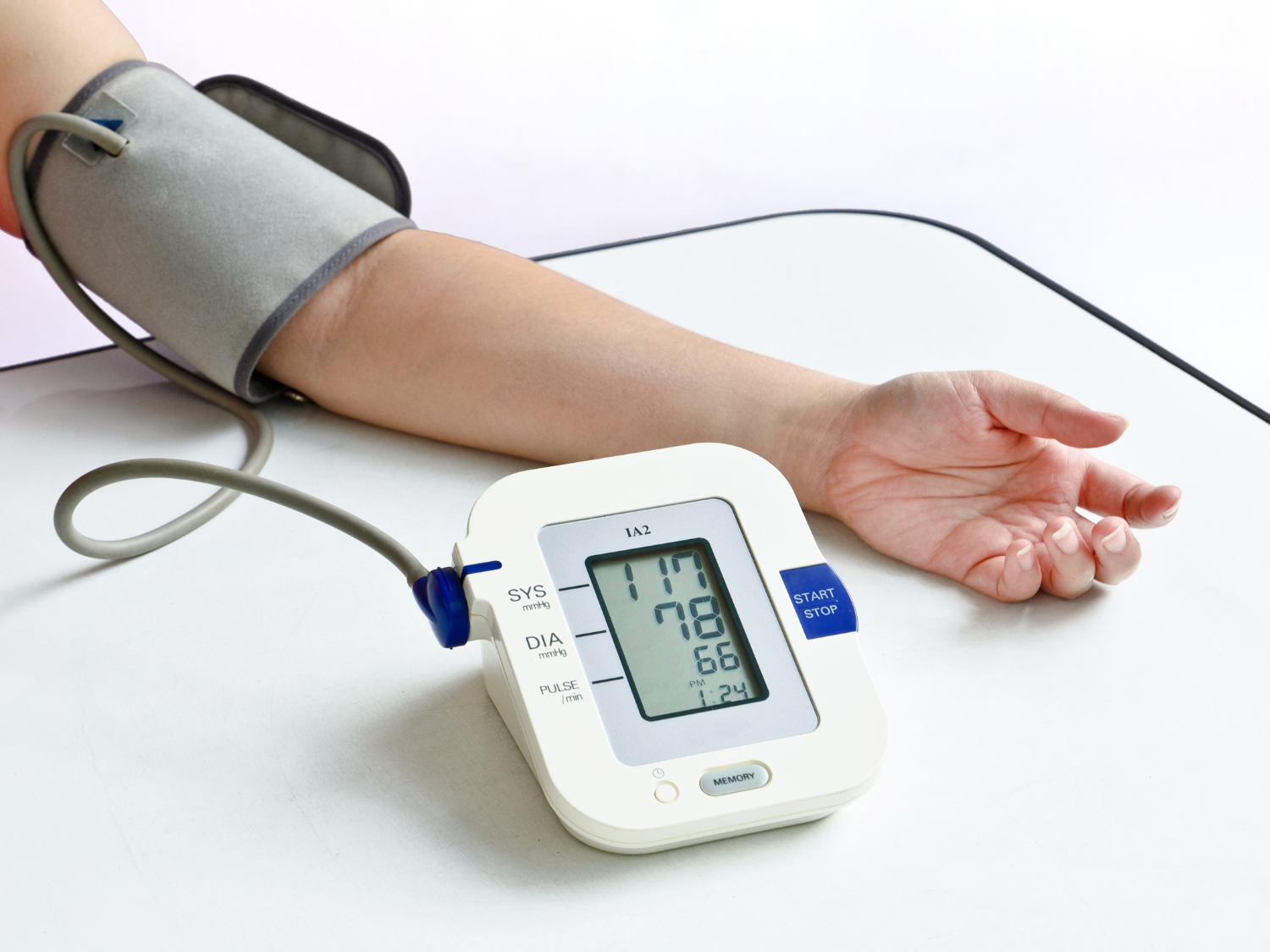
During an annual physical exam, the clinical care team will check your vitals, including your heart rate, blood pressure, and weight. Your healthcare provider will examine different parts of your body, like your head, neck, heart, lungs, and abdomen. Depending on your age, you may also have your vision and hearing checked.

Recommended Health Screenings by Age
At your annual checkups, your healthcare provider may recommend screenings for health issues such as diabetes, high blood pressure, and cancer. Many screenings are done annually.
It is recommended that all adults begin regular colorectal cancer screening by age 45, or earlier for those with risk factors or symptoms. A mammogram is recommended for women 40 years or older to screen for breast cancer. Talk with your doctor about when to start screening, how often to get screened, and what type of screening is best for you. People with personal and family health histories of certain cancers might need to receive screening early or with other additional screening modalities.
Reviewing Your Health History and Lifestyle
A discussion of personal and family health history is important to understand your health risks so that preventive measures can be taken to reduce the risk of disease. Your family health history helps your healthcare provider determine which screening tests and preventive measures are appropriate for you and when they should be done.1
Lifestyle plays a huge role in your overall health. Noncommunicable diseases (NCDs) like heart disease, diabetes, cancer, lung problems, and mental health issues cause more than 80% of deaths. These illnesses are often linked to stress, unhealthy diets, not getting enough exercise, being overweight, and using tobacco or alcohol. Your doctor can give guidance on how to address each of these issues.2
Obesity
Obesity is a recognized risk factor for many diseases. It has been linked to cancer, chronic respiratory disease, heart attacks, strokes, and Type 2 diabetes. Evidence suggests that 3.5 million adult deaths from NCDs are related to obesity.3
Tobacco Use
Tobacco use is the leading preventable cause of disease and death. In the U.S., smoking and secondhand smoke exposure cause over 480,000 deaths each year. Within hours of quitting tobacco, your body changes and starts to heal, your risk of cancer and lung disease decreases as your lungs are no longer exposed to toxic chemicals from cigarette smoke. If you are thinking about reducing or quitting tobacco, learn more about how to quit smoking or talk to one of our Certified Tobacco Treatment Specialists.4,5

Sleep
Sleep habits are also critical to your health. When you sleep, your body is working to support your physical health and healthy brain function. Lack of sleep or sleep deficiency has been linked to injuries, depression, and suicide.6,7
How Annual Health Screenings Prevent Serious Illness
Annual health screenings can help catch health issues early—often before symptoms appear. This makes it easier to manage or prevent serious illness. Regular health screenings are important for people of all ages, but the screenings recommended for you may vary based on your age, family health history, and risk factors.
Annual health screenings may include blood work to check cholesterol, diabetes risk, or thyroid function; cancer screenings such as mammograms, Pap smears, or colonoscopies; and screenings for chronic conditions like heart disease or osteoporosis. Your healthcare provider will explain why each test is recommended and how it contributes to your long-term wellness.8
When chronic health issues are not managed, they can lead to health problems that require urgent care or hospitalization. Regular screenings help reduce these risks.
Monitoring your health over time, your provider can spot changes before they become emergencies, for example, by:
- adjusting your medications for high blood pressure,
- identifying early signs of heart disease or diabetes,
- preventing falls or fractures by screening for bone loss; or
- recommending screening tests if you have an increased risk of certain cancers.
These proactive steps help you stay healthier, longer—and may even prevent a trip to the emergency room.9,10
How to Prepare for Your Annual Physical Exam
Preparing your annual physical exam before the visit helps you get the most out of it. Think about the medications and supplements you take, any symptoms you observed since your last visit, any forms that need your provider to fill out for you.

What to Bring to Your Appointment
- Medication list: Include all prescription medicines, over-the-counter drugs, vitamins, and supplements you take regularly. If you are using any traditional herbs or home remedies to treat or calm any symptoms, these should be included in your list as well.
- Symptom notes: Write down or type any new symptoms or health concerns you want to discuss.
- Forms and records: If you have any health forms that need to be completed, you can bring them with you to your appointment. Some providers may accept forms electronically; consider asking your care team how they handle forms. If you have them, it may also be helpful to bring your medical records or reports from other healthcare providers.
- Insurance: If you changed insurance plans, bring your new insurance card. If you do not have insurance, you can ask about low-cost or sliding fee discount options. Proof of income may be needed to assess eligibility, so check with your care team if you have any questions.11
Questions to Ask During Your Physical Exam
Your annual physical exam is a good time to ask about:
- preventive health topics like diet, exercise, and quitting smoking,
- vaccination updates you may need; and
- screenings or tests that are recommended based on your age and health history.
Don’t hesitate to share any concerns or questions you have—your provider is here to support you. For example, your primary care provider can refer you to specialists for professional help with issues like alcohol abuse or quitting smoking, or coordinate follow-up care for your specific health needs.11,12
Making Annual Checkups a Routine Part of Your Health Plan
Life gets busy, but making time for your annual checkup is one of the most important steps you can take for your health. Mark your calendar, set reminders, and treat your health appointment like any other essential commitment. Don't wait—book your next annual checkup today! The Charles B. Wang Community Health Center is open 7 days a week at our Manhattan and Queens locations with health professionals that provide high quality and affordable health care for all. A Sliding Fee Discount program based on family size and income is available to those without health insurance or who are underinsured. Find an Internal Medicine provider or call (212) 379-6998 for Manhattan or (718) 587-1111 for Flushing to schedule your appointment today!
FAQs
1. How long does an annual physical exam take?
Most annual physicals take about 30 minutes, depending on your health needs and the complexity of your visit.
2. Are annual checkups covered by insurance?
In many cases, yes. Most health insurance plans, including Medicaid and Medicare, cover preventive care services like annual checkups at no additional cost. Be sure to check with your provider.
3. Do I need an annual health screening if I’m healthy?
Yes. Even if you feel well, annual checkups help identify potential issues before they become serious and help keep your health on track.8
4. What happens if my health screening shows abnormal results?
If any results are out of range, your provider will guide you through next steps, which may include further testing, lifestyle recommendations, or treatment plans tailored to your needs.
Sources
- www.cdc.gov/genomics/public/famhix/fs.htm
- https://www.who.int/europe/news-room/fact-sheets/item/everyday-actions-for-better-health-who-recommendations
- https://www.worldobesityday.org/obesity-and-ncds.
- https://www.fda.gov/tobacco-products/public-health-education/health-effects-tobacco-use.
- https://www.cdc.gov/tobacco/about/index.html.
- https://www.nhlbi.nih.gov/health/sleep-deprivation/health-effects.
- https://www.nhlbi.nih.gov/health/sleep-deprivation/healthy-sleep-habits
- https://www.cdc.gov/chronic-disease/prevention/preventive-care.html
- https://www.cdc.gov/pcd/issues/2024/23_0415.htm
- https://my.clevelandclinic.org/health/articles/prophylaxis-preventive-care
- https://my.clevelandclinic.org/health/diagnostics/17366-physical-examination
- https://www.health.harvard.edu/staying-healthy/what-should-i-ask-at-my-annual-physical
Related Articles




What Is A Well-Woman Exam (or Annual Gynecology Visit)?
Clinically reviewed by Pearl Tung, DNP