Joy Nieh is a Former Health Educator at the Charles B. Wang Community Health Center where she empowered the youth through health education as part of the Teen Resource Center team. She believes health education is essential to not only a healthy but purposeful and fulfilled life.
Lunar New Year: Healthy Holiday Eating Tips
By Joy Nieh, MA
Clinically reviewed by Kim Bui, MD

Lunar New Year is here—a time for family, spending quality time with loved ones, and sharing good food. There are many traditional foods eaten on this holiday and every dish on the table brings prosperity for the year ahead.
When preparing for Lunar New Year, it may seem hard to consider how to make every dish a healthy one for your family. There may be people in your family with dietary restrictions, or chronic health conditions like diabetes. The holiday rush could be stressful, and you may feel that you don’t have enough time to invent healthier dishes. Luckily, you can have a Lunar New Year feast with traditional dishes and still have a healthy dinner.
Tips for Planning Balanced and Nutritious Meals
MyPlate is a tool to help you create a balanced and healthy meal. It is a visual reminder to include all five food groups in your meals; this helps you add diverse nutrients and enough nutrients to your plate. It also provides helpful portion sizes, which can help you limit excess nutrients and energy.
When choosing which foods to eat for your Lunar New Year dinner, consider using the MyPlate guide to help you plan.

Lunar New Year Dishes to fit Your Healthy Eating Goals
Here are some choices for each food group to make your Lunar New Year feast a healthy one:
Vegetables
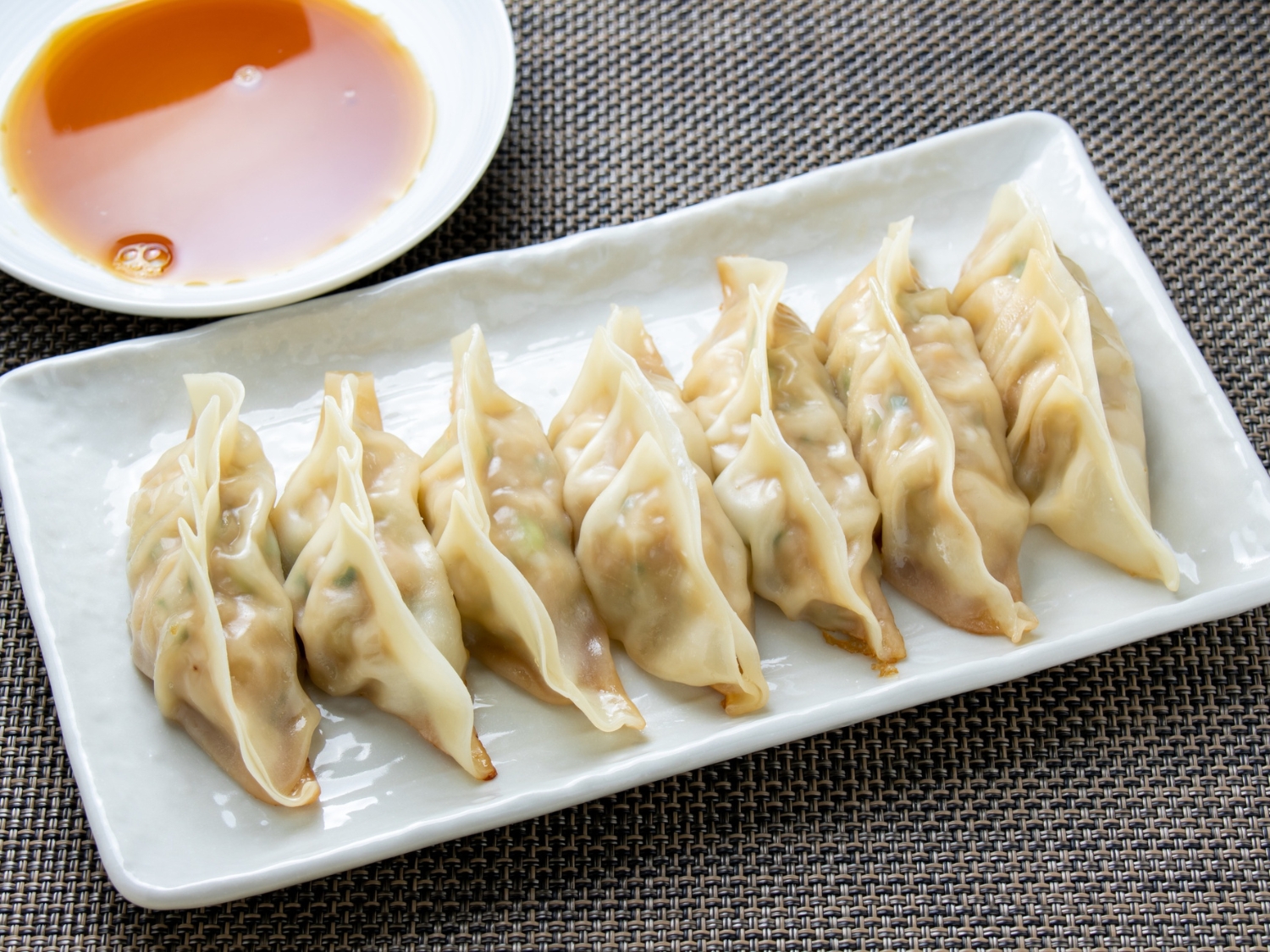
Vegetable Dumplings
Dumplings are a classic choice for Lunar New Year, symbolizing wealth and good fortune.1 A great way to incorporate vegetables is to make vegetable dumplings instead of the usual meat based dumplings. Opt for steaming or boiling instead of frying dumplings for a heart healthy prep.
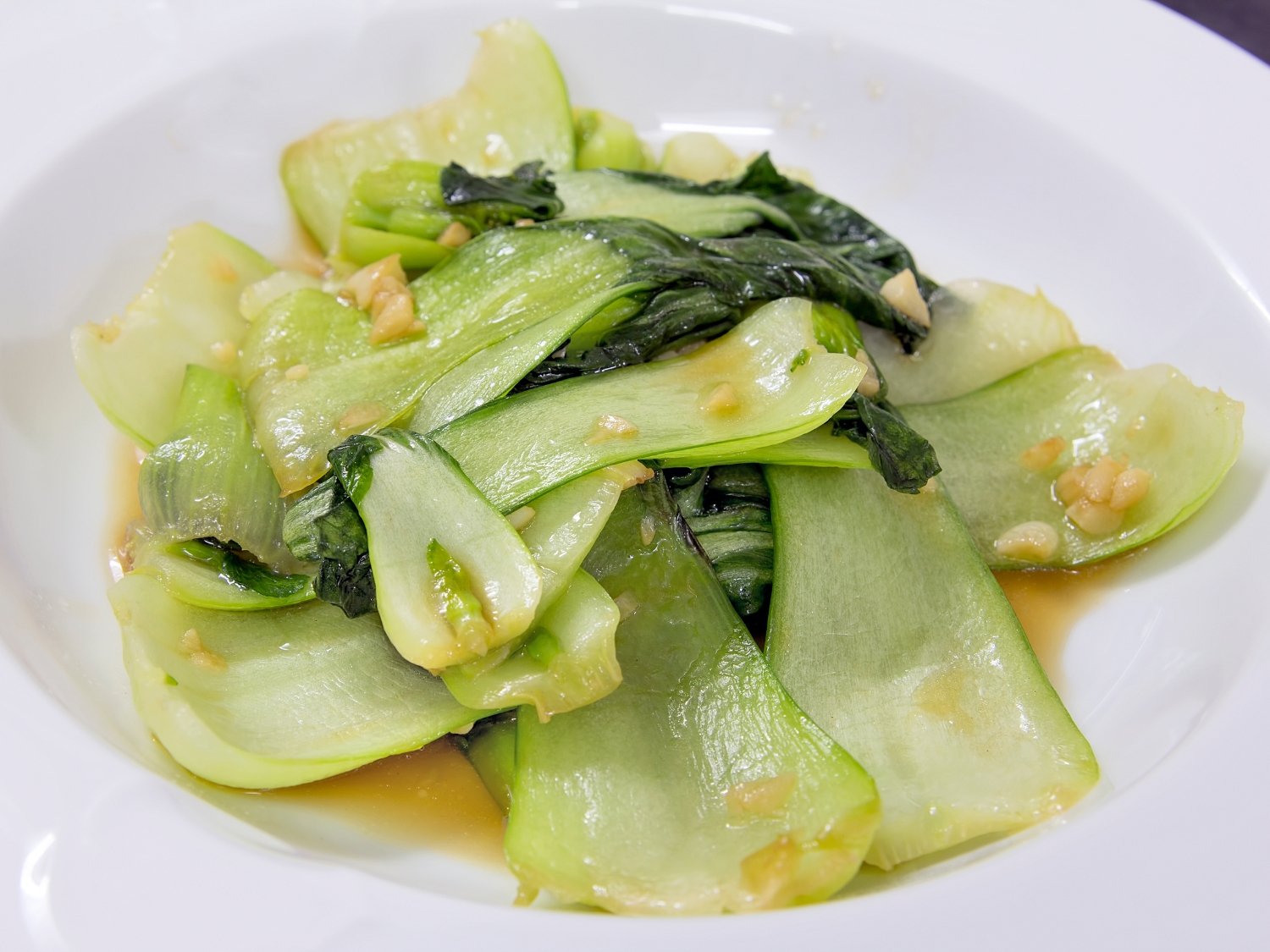
Leafy Greens
There are many auspicious leafy greens you can eat for the new year:
- lettuce for wealth;
- baby bok choy for wealth, luck and good fortune;
- Chinese broccoli for harmony.2
Protein
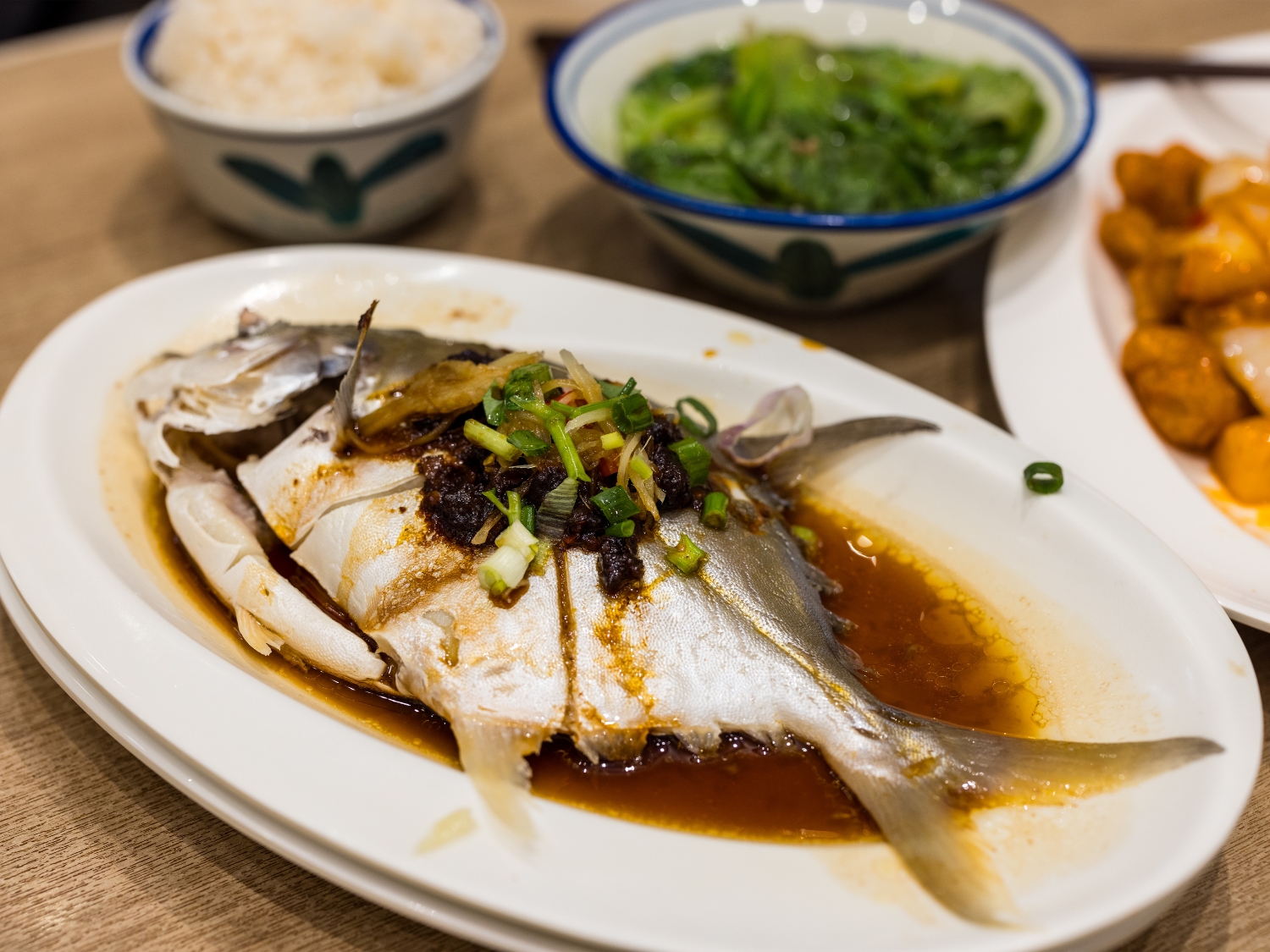
Fish
A classic Lunar New Year dish, usually served whole; fish represents abundance for the new year.2 Consider a delicious steamed fish instead of frying your fish to save on fat.
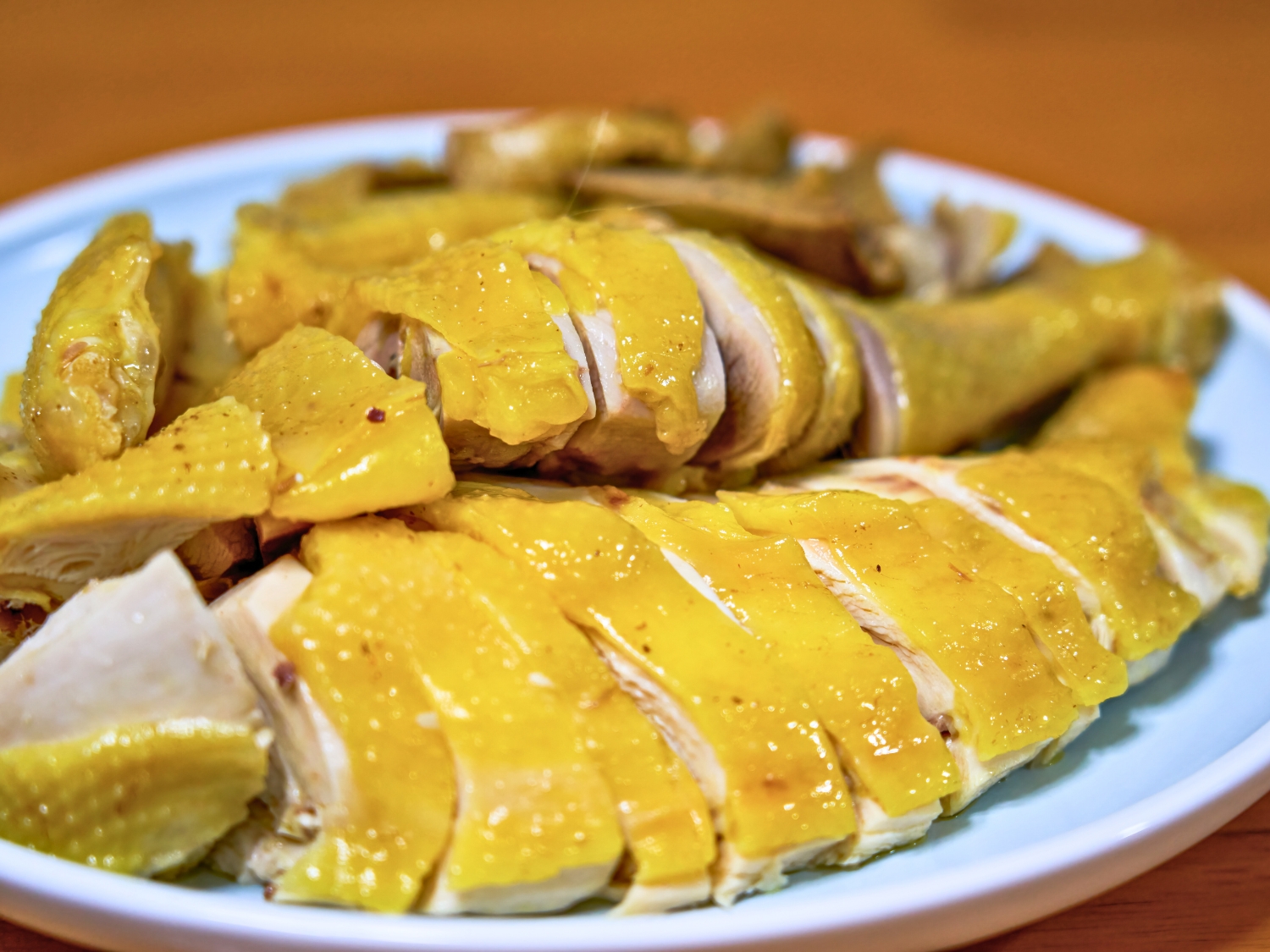
Chicken
Eat chicken for good luck and prosperity in the new year.2 Consider eating more of the white meat without the skin.
Fruit
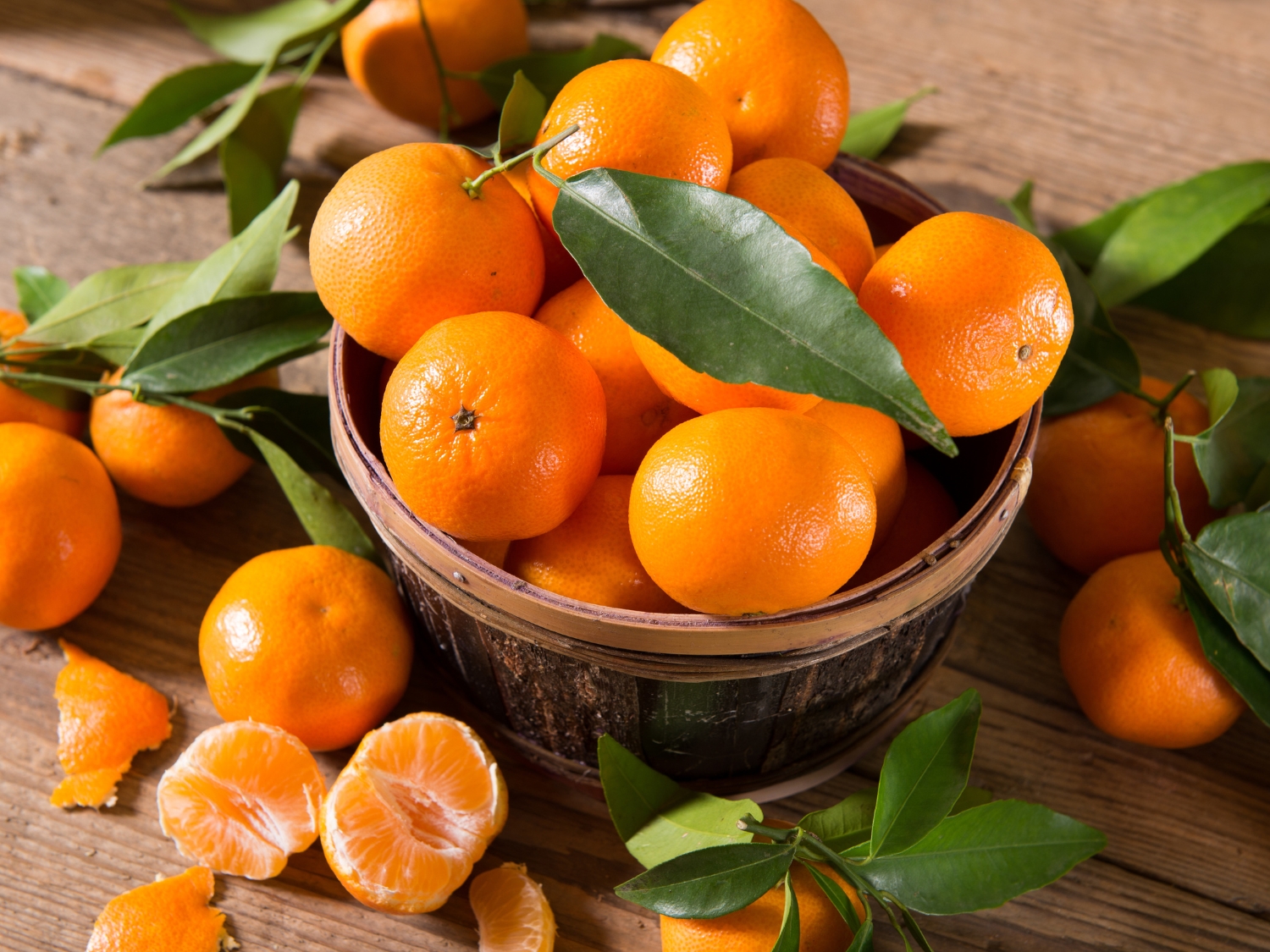
Tangerines
Tangerines for good luck in the coming year.2 Tangerines are a great source of vitamin C.

Oranges
Oranges for success in the new year.2 Oranges not only have vitamin C, but are also high in fiber, which helps with digestion.
Grain
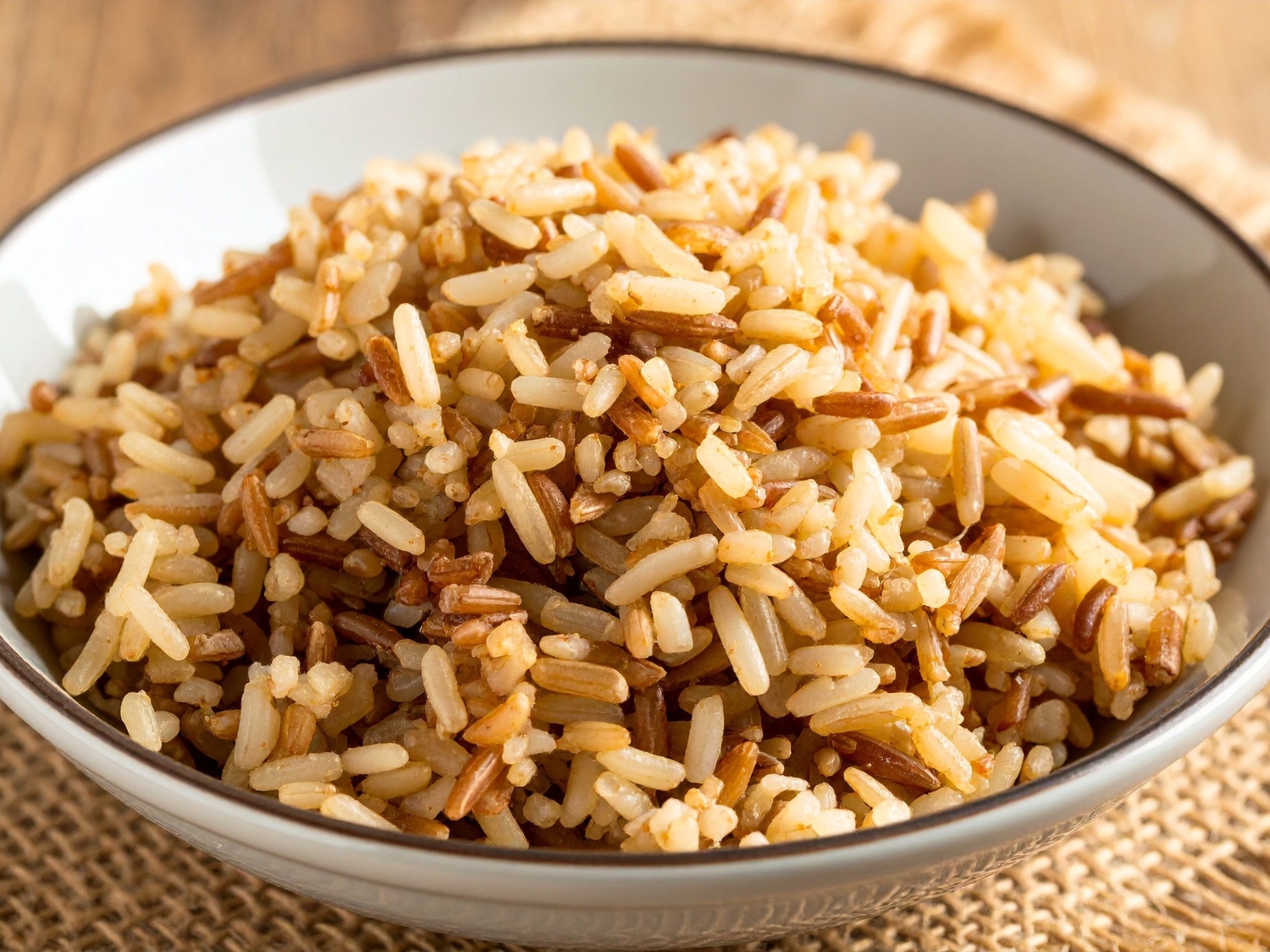
Rice
A staple of Asian cuisine to eat alongside the festive dishes for Lunar New Year. Consider eating brown rice instead of white to add more fiber in your meal. Fiber helps with digestion.
Dairy
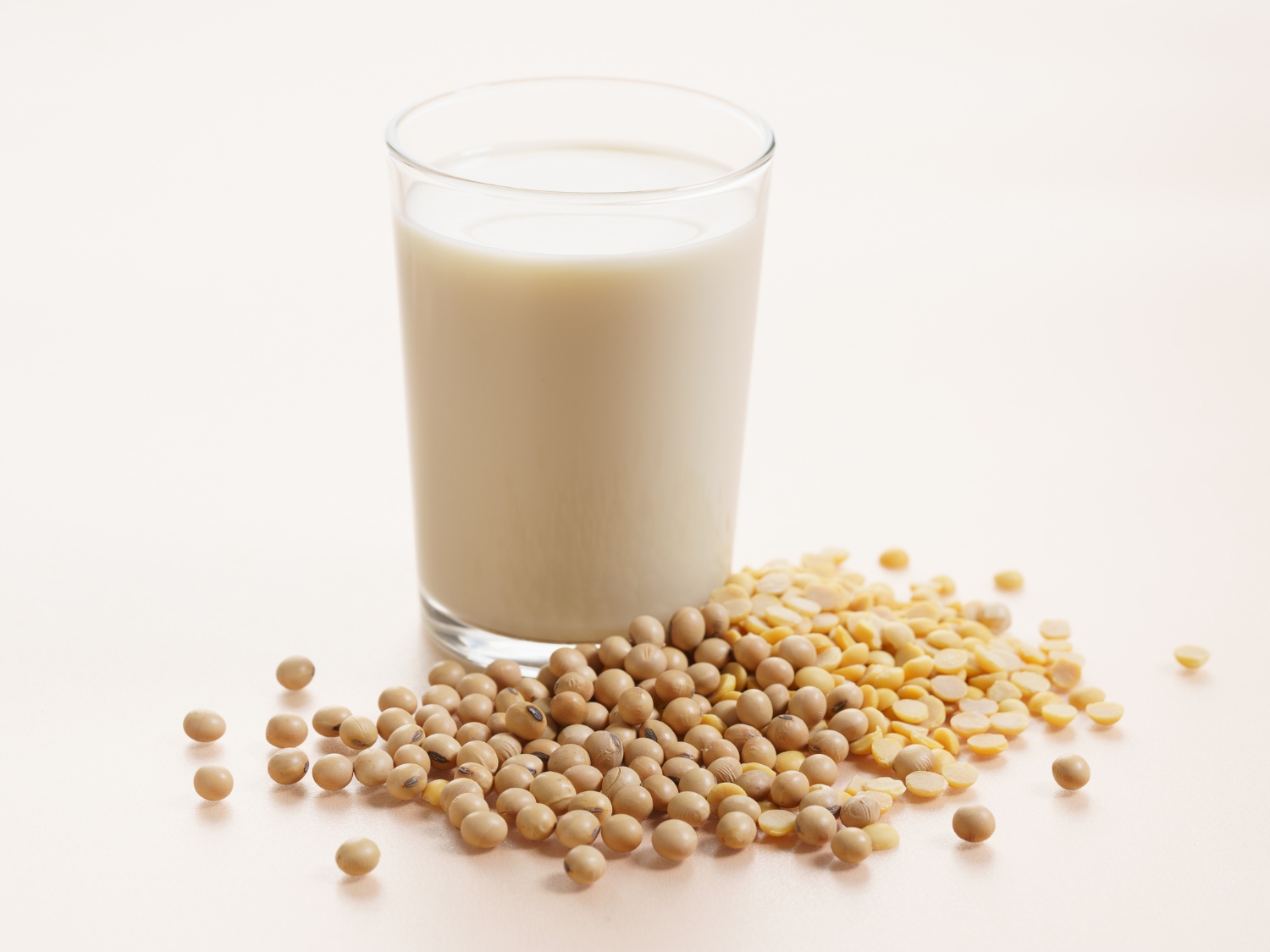
Soy Milk or Low Fat Milk
Enjoy a glass of soy milk or low fat milk with your meal to add calcium and vitamins.

Greek Yogurt
Greek yogurt is another healthy diary option. Not only is it a great snack to have between meals, but it is also probiotic, which helps with digestion!
Healthy Holiday Hosting Tips for Food Safety
There are many aspects to creating a memorable Lunar New Year dinner: whether you are hosting, preparing the meal, eating with family, or cleaning up. During the holiday rush, it is important to keep in mind key tenets of food safety, so you and your family stay safe and healthy.
When preparing the food, you can prevent food poisoning by following the four main steps for food safety:
- Clean—wash your hands and surfaces often.
- Separate—keep raw meat, poultry and seafood separate from all other foods to prevent cross contamination. Use one cutting board for all raw meats and another cutting board for cooked food.
- Cook—use a food thermometer to check the temperature of your cooked food to make sure it reaches safe temperatures.
- Chill—make sure to promptly put leftovers away in the fridge. Never leave perishable food out for more than two hours to prevent bacteria.3
When serving the meal, keep these food safety tips in mind:
- Keep hot foods hot & cold foods cold.
- Refrigerate holiday leftovers within two hours.
- Reheat food thoroughly.
- Be careful with buffet-style meals and shared dishes. Take care to not share utensils to avoid spreading germs and sickness.
- Remember to wash your hands frequently.
It can be easy to prepare a wealth of food in anticipation of family and friends and overprepare, leaving leftovers. It is recommended to prepare an appropriate amount of food for the number of guests you expect, to minimize leftovers and for everyone to enjoy fresh, hot food.
When eating leftovers, make sure the food is not spoiled. If it is, discard the spoiled food immediately.
Enjoying Your Lunar New Year Meal With a Chronic Health Condition
For those with chronic health conditions, preparing for holiday meals may require a little more mindfulness. Depending on the type of condition you have, your balanced plate may look different than those around you. However, managing your health while enjoying holiday meals is possible. If you have any of the health conditions below, here are some tips to keep in mind:
High blood pressure (Hypertension)
If you have hypertension, you may be monitoring your salt intake since excess salt can raise blood pressure levels.
Restaurant foods usually have a lot of salt and MSG added for flavor. Therefore, opting to eat home cooked dishes may be an easy way to manage your sodium. When cooking at home, natural seasonings like spices, herbs or citrus offer flavor with less sodium.
If you are planning to order out for the holidays, some restaurants will make their nutrition information available to the public. This may be online or on their menu. The nutrition label is a good resource for checking sodium content. When eating out, you could also ask for your meal to be prepared with less salt and oil, or you can ask for sauces on the side.
Diabetes & Prediabetes
If you have diabetes or prediabetes, focus on managing the amount of sugar and carbohydrates (carbs) you eat throughout the day. Lunar New Year holiday menus may include carb heavy dishes and sweet desserts like yi mian, noodle dishes, and taro dessert soup. Other foods that are carb heavy include rice, noodles, dumplings, bread, pasta, yams, potatoes, beans, dessert, sweetened beverages, and tapioca. Check the nutrition label if you are not sure about the carb content for a specific food.
When in doubt, glycemic index charts can also help assess how a food might affect blood sugar levels. Staying hydrated and maintaining regular meal times can help prevent glucose spikes and dips.4
A walk or other physical activity after a meal can also help to improve your sugar control, making sure that your blood sugar does not spike too high after a meal. Taking a walk within 15–30 minutes after eating reduces insulin resistance by almost 50% and increases your fat utilization.
High Cholesterol
If you have high cholesterol, you may be focused on limiting foods with saturated or trans fats and increasing your fiber.
Lunar New Year holiday foods like braised red meat, fried egg rolls, or squirrel fish (fried fish) contain saturated fats. To limit saturated fats, you may consider:
- boiled or steamed dishes like steamed fish instead of fried dishes, such as squirrel fish;
- lean proteins like chicken instead of red meats with fats like braised red meat.4
Fiber also helps to lower cholesterol levels. To add fiber to your meal, consider adding brown rice to your plate. ½ cup raw brown rice contains about 4–7 grams of fiber.
If you would like to drink alcoholic beverages for the holiday, drink mindfully. Alcohol tends to worsen cardiovascular and liver function. If you decide to drink, try limiting the amount to one glass of wine, can of beer, or shot of liquor, and make sure to keep well hydrated when you are drinking.
As Lunar New Year is a big holiday, you may also want to eat foods high in fat or sugar. If you do, try to keep the quantities limited. Fill your plate with mostly healthy foods, and leave a small section for the less healthy options.
You can always reach out to your primary care provider (PCP) for further tips on how to manage chronic health conditions and how to eat healthy for the holidays.
Practicing Mindfulness for Healthy Eating Beyond the Plate
Lunar New Year is a holiday that welcomes a prosperous new year. It is important to also remember to be present and mindful; and enjoy your time with your family. When eating, take it slow and relish your food. After your first serving, take some time to talk with friends and family. This can help with digestion. Research states, it takes a few minutes for your brain to register if you are feeling full.5 After talking, check in with your body and see if you are still hungry.
How CBWCHC Can Help you Stay Healthy During the Holidays
Reach out to your primary care provider if you have further questions about eating healthy on Lunar New Year. This can include:
- questions about holiday eating with chronic health conditions;
- if you experience ongoing digestion issues;
- if you would like assistance with personalized nutrition planning.
At Charles B. Wang Community Health Center (CBWCHC) we provide national award-winning patient care. Our providers are multilingual and highly skilled. We provide patient care services including pediatric services and internal medicine. We accept most insurances and if you are not insured or underinsured, we provide a sliding fee scale discount.
Establish your PCP with CBWCHC today.
We would like to wish everyone a healthy and prosperous Lunar New Year!
FAQs
1. What are safe ways to store holiday leftovers?
Store hot or warm food into several clean, shallow containers and refrigerate. Remember to refrigerate leftovers within two hours to prevent bacteria from multiplying.3
If your leftovers spoil, throw them out promptly.
2. How can I avoid overeating but still enjoy holiday meals?
Here are a few strategies to keep in mind to avoid overeating during the holidays:
- Stay mindful: Savor the food you eat. Enjoy each aspect of the meal: the visual presentation, the smell, the taste, and the texture of the food. Try not to get too hungry in between meals. This can make it harder to make healthy choices when it’s time to eat. Having healthy snacks on hand, such as fruits, vegetables, and nuts can help. In addition, try not to eat when you are distracted, such as when you are watching TV or on your phone.5
- Avoid sugary and salty foods: It is easy to overeat sugary and salty foods. These foods are usually highly processed. Pay attention to what kind of foods you put on your plate and opt for foods that are lower in sodium and sugar.
- Wait before going for another serving: It takes around twenty minutes for the brain to register if you are full.5 Take the time to catch up with family and friends and enjoy their company before going for another plate.
Sources
- https://www.abc.net.au/news/2019-02-01/eight-lunar-new-year-foods-and-why-they-are-lucky/10763762
- https://www.chinahighlights.com/travelguide/chinese-food/chinese-new-year-food.htm
- https://www.cdc.gov/food-safety/prevention/index.html
- https://www.hackensackmeridianhealth.org/en/healthu/2025/10/24/a-physicians-guide-to-healthy-holiday-eating
- https://www.bhf.org.uk/informationsupport/heart-matters-magazine/nutrition/how-to-stop-overeating
Related Articles



What Is A Well-Woman Exam (or Annual Gynecology Visit)?
Clinically reviewed by Pearl Tung, DNP