Jessica Marchessault is a Health Education Manager at the Charles B. Wang Community Health Center that focuses on health education activities that foster community connection, collaboration, and empowerment.
Common Childhood Illnesses
Clinically reviewed by Jenny Shih, MD

As hard as parents work to keep their children healthy, every child will face health challenges at some point. While it would be impossible to prevent every illness or follow a developmental timeline exactly, the ways we recognize, prepare, and respond to these challenges can ensure children have the best health possible.
Below is a list of childhood illnesses that are important to be aware of for children under 12 years old. Some of the conditions below may be more uncomfortable than harmful, while others can be very serious. By identifying these illnesses in advance, you can prepare to prevent severe illnesses, manage and treat chronic conditions, and recognize when it will be important to talk to your child’s doctor.
Colds and Other Infections
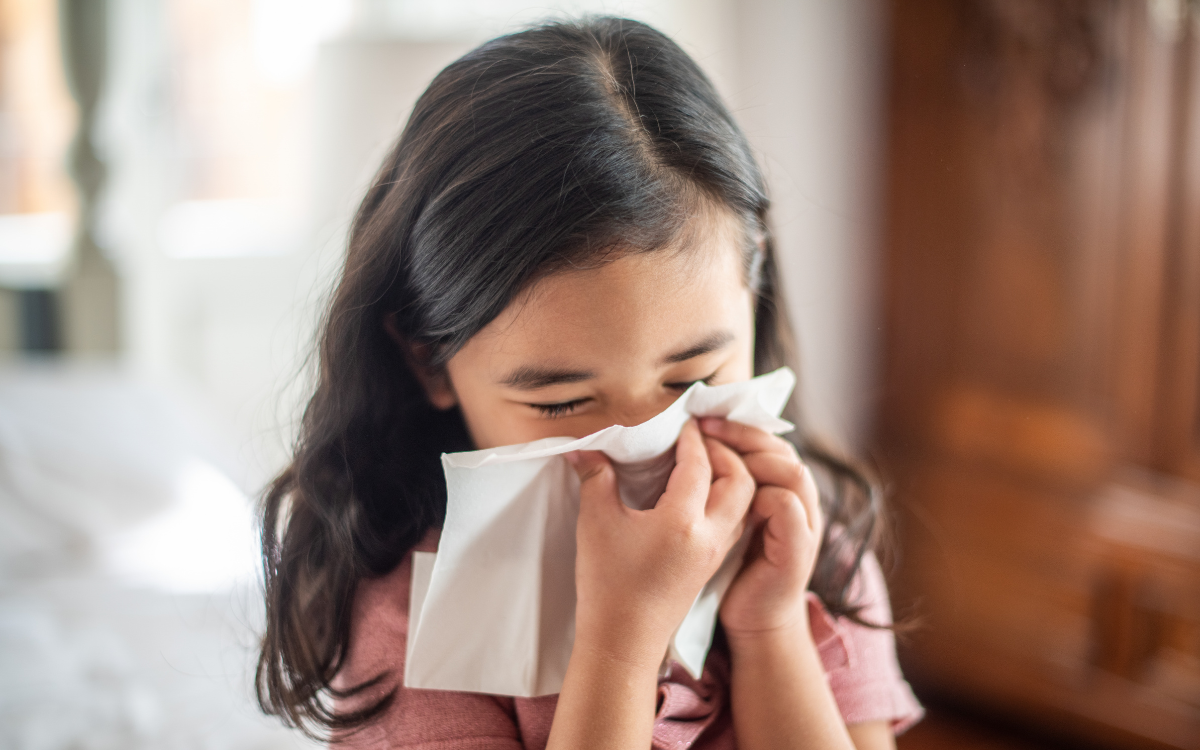
Children younger than 5 years old, and especially infants under 6 months old, are at a greater risk of developing certain respiratory viruses.1 Even healthy children get about six colds per year! 2 But some infections can be life threatening for children, especially for young children, so it is important to take steps to prevent infections and be prepared to recognize and respond if your child gets sick.

Preventing Colds and Other Infections
One step you can take to prevent the spread of illness and support healthy habits at home is to encourage frequent and good quality hand washing. Hand washing is one of the best ways to prevent the spread of illnesses like respiratory infections and diarrheal diseases.3
Following the American Academy of Pediatrics recommended vaccine schedule is another important way to prevent illnesses like the Flu, RSV, Measles, Pertussis, and Rotavirus.4 Vaccines are a safe and effective way to prevent the serious health impacts of many childhood illnesses.4 Vaccines not only prevent your child from catching an illness they can also lower your child’s risk of hospitalization and even death.5
Treating and Managing Colds and Other Infections
One symptom you may recognize if your child has a cold or other infection might be a fever. Most of the time a fever is harmless, and there are steps you can take at home to reduce your child’s temperature and their discomfort. If your child is still alert and smiling, eating and drinking normally, or wants to play, these are all signs that the fever is not likely to cause any more harm. Other cold symptoms you may notice include:
- sore throat
- cough
- runny nose
- muscle aches or pain
- chills
- diarrhea
- vomiting
Talk to your doctor early if you suspect your child may be sick with something more serious than a common cold. There may be treatments available for viruses like the flu or bacterial infections. Your doctor can also help you navigate over the counter (OTC) medications and prescribe prescription medications if needed. Since your child’s doctor knows your child’s medical history, they can advise you on ways to prevent and manage illnesses that make sense for your family and for your child.
Rashes and Other Skin Conditions
Rashes are common in children. Many rashes, while uncomfortable, are harmless and will resolve on their own. Other rashes may be a sign of very serious illness. Skin changes you may notice if your child has a rash include:
- itchiness
- changes in color: red, pink, purple
- bumps
- swelling
- scaly or flaky skin
- blisters6

Preventing Rashes and Other Skin Conditions
Sometimes rashes occur when a child is exposed to a contagious illness or to something in their environment. Children may be exposed to illness or environmental triggers that lead to rashes at the places where they live, learn, and play.
- Some rashes are a symptom of illness that spread just like a cold. Good hand hygiene, avoiding close contact with sick friends and family, and vaccines can help prevent your child from getting sick from bacterial and viral infections.
- Some skin conditions like scabies, lice, or ringworm can spread by close contact to someone who has the condition or by clothes, linens, or towels. To prevent these conditions, you might talk to your child about not sharing hats or towels and washing their hands if they use shared equipment or mats during sports or play.7,8,9
- Sometimes children develop conditions like eczema or allergic hives that they may need to manage throughout their childhood. You can help prevent flare-ups by identifying their triggers and limiting their exposure.10,11
Treating and Managing Rashes and Other Skin Conditions
For children with chronic skin conditions, you can talk to their doctor about treatments available to manage their flare-ups. To manage flareups at home you may consider moisturizers to reduce uncomfortable dryness or colloidal oatmeal baths to reduce itching.10,11
For unexpected rashes, in addition to treating the underlying illness or condition, your doctor may be able to prescribe treatments to keep your child comfortable. 12,13 They may also be able to discuss OTC medications like medicated shampoos for head lice, anti-fungal creams for ringworm, or antihistamines for allergies. Since medications do not work the same for children as they do for adults, it is good idea to discuss OTC medications with your pediatrician before using them.
If your child’s rash is accompanied by fever, other symptoms, or the rash does not go away on its own, talk to your child’s doctor as soon as possible, these may be signs of a more serious illness.6,12,13
Mental and Neurodevelopmental Conditions
Children develop mental and neurodevelopmental conditions for a variety of reasons, through unique interactions between genetics, biology, and environment. It is important to remember that these conditions are not caused by poor parenting or by a lack of effort from your child.
While everyone’s mental health experience will vary, some signs you can look out for include:
- changes in mood
- changes in eating habits
- changes in sleeping habits
- isolation or difficulties connecting with friends or family
- difficulty keeping up with developmentally appropriate responsibilities like school work or chores

Identifying Mental and Neurodevelopmental Conditions
At this time there are no known methods for preventing any mental or neurodevelopmental conditions, however there are ways to treat and manage these conditions that can support your child’s healthy growth, healthy development, and long healthy life.
The first step toward treatment and management of these conditions is identifying changes in your child’s mood, behavior, or development that persist. Early identification, screening, and appropriate treatment, results in the best outcomes for kids healthy physical, mental, and emotional development. 14,15,16,17,18
Treating and Managing Mental and Neurodevelopmental Conditions
While the treatment plan for each child may be different, a combination of behavioral or talk therapy and medication may be used to treat most mental and neurodevelopmental conditions. Generally, behavioral or talk therapy will be conducted by a therapist like a speech therapist or psychotherapist who is a mental health professional. Medication treatments may be prescribed by your child’s pediatrician or a psychiatrist. 14,15,16,17,18
There are many things your child can do at home to support mental wellness and healthy development, including: eating enough and well, being active for at least an hour each day, and sleeping 9-12 hours each day. Building a routine around these healthy habits that allows for flexibility and positive reinforcement can be a helpful tool for any child, but it may be a particularly helpful tool for children with depression, anxiety, attention-deficit/hyperactivity disorder (ADHD), or autism spectrum disorder (ASD).19,20
There may also be opportunities for you as a parent to participate in behavioral or talk therapy options to support you as you support your child. You may encounter parenting programs, parent support groups, or family therapies.
How Can You Work with Your Pediatrician to Care for Common Childhood Illnesses?
Raising a healthy child requires a lot of time, effort, and support, but you don’t have to do it alone. Your pediatrician is your best resource for diagnosing and treating childhood conditions before they become more serious.
Scheduling a Sick Visit
If your child is sick, your first resource may be to call your pediatrician. Many pediatrician offices offer on-call phone support for families who have urgent questions about their child’s health. When you call you may: talk to a nurse over the phone, schedule an urgent sick visit, or be directed to emergency care.
Scheduling Annual Check-Ups
Regular doctor’s visits are another important part of staying healthy. Routine check-ups matter at every age, but they are very important for children since so much growth and development will occur for your child from infancy to young adulthood. Annual wellness visits are a good opportunity to:
- identify signs or symptoms of health conditions
- manage chronic conditions
- discuss healthy development milestones
- discuss vaccines
- build relationship with your pediatrician
Finding the Right Pediatrician for You
It may be important for you to find a doctor that accepts your health insurance, speaks your primary language, understands your cultural background, or has appointments when you need them. Consider what is most important for you, your family, and your child as you look for a pediatric provider. When a parent and pediatric provider work well together your child will thrive.
At the Charles B Wang Community Health Center, pediatricians provide care to patients up to 21 years of age, including regular checkups, sick visits, and immunizations. Our providers understand that by working together with young patients and their families, everyone can make healthy decisions together.
The Health Center offers pediatric care at three of our locations in Manhattan’s Chinatown and Flushing. Our pediatric providers speak more than 5 languages including Mandarin, Cantonese, Bengali, Korean, and Spanish. Learn more about each of our pediatric providers to find a provider that meets your family’s needs.
FAQs
1. Are ear infections contagious?
The ear infection itself is not contagious. Since ear infections occur in the middle ear, the bacteria or virus that caused the ear infection is unlikely to be able spread to others. However, ear infections are more likely to occur when a child has a cold. While the ear infection may not be contagious, their cold may be. 21
2. Can anyone get head lice?
Yes, anyone who comes in contact with head lice can get head lice. A person can get head lice regardless of how clean their home is, how short their hair is, or how hygienic their family is.
Head lice might spread at school or daycare, especially if children share hats, combs, or hair clips. Precautions like washing soft items like linens or clothes can help prevent the spread of head lice if someone in your home has head lice. However, treatment and prevention will need to work together since it might spread from family member to family member quite easily.7,22,23
3. What can I do if my child won’t talk to me about their mental health?
It is important to note that for kids struggling with their mental health, talking about it does not make it worse.14 In fact, talking about mental health regularly can help your child feel more comfortable talking about the topic, and they may feel less shame or fear when discussing their feelings with you. But even under the best circumstances, sometimes it is still hard for kids to open up.
At home, you can continue to show your child that you care about them and that you are available to talk when they are ready. You could also suggest other trusted adults as a resource for your child. Maybe your sister or your father have shown that they really care about your child’s mental health and can be a supportive person for them.
Ultimately, if you notice changes in your child’s behavior or mood that persist, it is a good idea to talk to their doctor. Their doctor can assess and refer them to treatment options that make sense for your family. Their doctor may be able to meet with them privately or provide a screening questionnaire which may fee less intimidating. It is a good idea to let your child know that you are talking with their doctor about this topic because you care about them and want to support them.24
4. When should I take my child to the emergency room?
Some of the conditions listed above can be life threatening. If you do not have a health care provider, you are unable to reach your child’s doctor, or your child is displaying symptoms that require emergency medical attention, you can call your local emergency department or visit the emergency department directly. Some symptoms of illnesses that require emergency medical attention include if your child cannot breathe, loses consciousness, or has a seizure.25
Sources
- https://www.healthychildren.org/English/news/Pages/AAP-releases-its-own-evidence-based-immunization-schedule.aspx
- https://www.healthychildren.org/English/tips-tools/symptom-checker/Pages/symptomviewer.aspx?symptom=Colds
- https://www.cdc.gov/clean-hands/about/
- https://www.healthychildren.org/English/safety-prevention/immunizations/Pages/Recommended-Immunization-Schedules.aspx
- https://www.ama-assn.org/public-health/prevention-wellness/what-doctors-wish-patients-knew-about-family-immunizations
- https://kidshealth.org/en/parents/rashes-sheet.html
- https://kidshealth.org/en/kids/lice.html
- https://kidshealth.org/en/kids/ringworm-infection.html?ref=search
- https://www.health.ny.gov/diseases/communicable/athletic_skin_infections/hand_washing.htm
- https://www.aad.org/public/diseases/a-z/hives-self-care
- https://www.healthychildren.org/English/health-issues/conditions/skin/Pages/how-to-treat-and-control-eczema-rashes-in-children.aspx
- https://www.pregnancybirthbaby.org.au/serious-childhood-rashes
- https://www.healthychildren.org/English/health-issues/conditions/skin/Pages/Common-Summertime-Skin-Rashes-in-Children.aspx
- https://kidshealth.org/en/parents/understanding-depression.html
- https://childmind.org/guide/anxiety-in-children-quick-guide/
- https://childmind.org/guide/quick-guide-to-obsessive-compulsive-disorder-ocd/
- https://childmind.org/guide/parents-guide-to-adhd
- https://childmind.org/guide/autism-spectrum-disorder-quick-guide/
- https://hr.ucsf.edu/wellbeing/coping-and-resiliency-program/cope-program-wellness-resources/resources-parents-and-families
- https://www.kidsmentalhealthfoundation.org/mental-health-resources/mental-wellness/kids-routines
- https://www.health.ny.gov/publications/4815/
- https://kidshealth.org/en/kids/lice.html
- https://www.idph.state.il.us/public/hb/hblice.htm
- https://www.healthychildren.org/English/healthy-living/emotional-wellness/Pages/How-to-Talk-with-Your-Child-and-Their-Pediatrician-About-Mental-Health-Concerns.aspx
- https://www.healthychildren.org/English/health-issues/injuries-emergencies/Pages/When-Your-Child-Needs-Emergency-Medical-Services.aspx
Related Articles




What Is A Well-Woman Exam (or Annual Gynecology Visit)?
Clinically reviewed by Pearl Tung, DNP