Jessica Marchessault is a Health Education Manager at the Charles B. Wang Community Health Center that focuses on health education activities that foster community connection, collaboration, and empowerment.
Understanding Your Child's Allergies
Clinically reviewed by Chunpang (Tony) Shen, MD
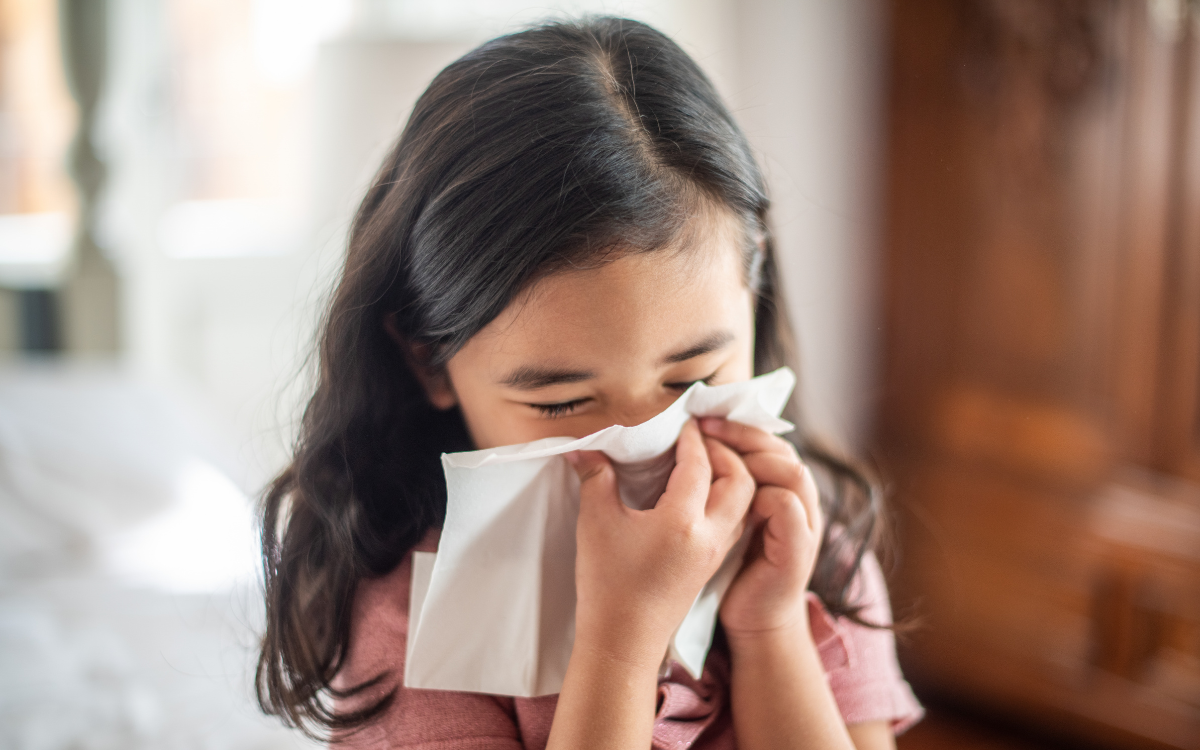
Allergies are a common chronic condition that once a child develops, they will usually have for life. When a child has allergies, their body responds to certain things in their environment in an abnormal way. These things in their environment that lead to allergy symptoms are called allergens (or triggers). Many families manage their children’s allergies at home with simple prevention and treatment plans. A doctor can help you determine the source and the severity of your child’s allergies to create a treatment plan that meets their specific health needs.
What Are Allergies?
When a child has allergies, their immune system responds to a certain trigger (or allergen) as if it were a germ or sickness. Once the body has identified this trigger as a threat, every time child is exposed to that allergen again, it leads to allergy symptoms.1,2
Types of Common Allergies in Childhood
- Anaphylaxis: An allergic response that is severe and potentially life-threatening. When a child has anaphylaxis, they may have a very fast response to the allergen which can impact their breathing or circulation.
- Allergic Rhinitis (Seasonal Allergies): An allergic response that mainly affects the nose and nasal passages. Pollen is a common allergen for children with allergic rhinitis; you may notice their allergy symptoms are more severe during some months and less severe during others.
- Eye Allergies: An allergic response that mainly affects the eyes, your child’s eyes may itch and become red or teary.
- Food Allergies: When a child has a food allergy their allergy symptoms may be triggered by eating certain foods. Food allergies may lead to nose and throat symptoms, but they may also cause rashes or digestive symptoms.
- Skin Allergies: An allergic response that mainly affects the skin. This allergy can be triggered by allergen exposure, when the skin comes in contact with a certain allergen, or due to food allergies. Skin rashes like hives can be caused by an allergy.2,3
Common Allergy Symptoms
- Sneezing, runny or stuffy nose
- Itchy eyes, throat, or skin
- Skin rashes like hives
- Digestive symptoms (food allergies)1,2,3

Severe Symptoms
It is important to note that a severe allergic response can be serious and life threatening. If your child displays the following symptoms, it is a medical emergency; call 911 or go to the emergency room immediately if they develop:
- Swelling of the face, throat, lips, or tongue
- Difficulty breathing
What Triggers Allergies in Kids?
Identifying what triggers your child’s allergies is a very important part of treating their condition. Once you know what allergens cause their symptoms, avoiding or minimizing exposure can help your child manage their condition and prevent serious symptoms or distress.
Common Animal and Pest Allergens
- Pet dander
- Insects
- Cockroaches
- Mice
Common Environmental Allergens
- Pollen (ie. Tree, Ragweed, Grass)
- Mold
- Dust mites
Common Medical Allergens
- Medications
- Latex
Common Food Triggers and Allergens
- Peanuts
- Tree nuts
- Eggs
- Shellfish (ie. Shrimp, Prawn, Crab)
- Soy
- Cow’s Milk1

Talking to Your Child’s Provider about Allergies
If you notice symptoms that occur regularly, seasonally, or only occur around certain allergens, your child may have an allergy. Once you suspect allergies, talking to your pediatrician is the best next step.
When starting the conversation with your child’s pediatrician, first share your child’s symptoms and suspected triggers. Your pediatrician might ask other questions, like if other people in your family have allergies or if your child’s symptoms impact their daily activities. Once they have an understanding of your child’s condition they may talk with you about allergy testing, diagnosing, and treatment.4,5
Testing
With your child’s situation in mind, your pediatrician will suggest the test (or tests) they believe are most appropriate. Some pediatricians may be able to complete these tests at their office. More commonly, your provider will refer your child to see a specialist for testing. The type of test they suggest may depend on the type of allergy they suspect and your child’s age. Below are some of the test options your provider may recommend.
Common Allergy Tests
- Skin Test
- IgE Blood Test5,6

Treatment
Once your child is diagnosed with allergies, treating the symptoms and managing their condition will be an important and lifelong part of maintaining their health and well-being. Below are a few common treatment options for managing allergies. There may be other treatment options available based on your child’s condition or age.
Common Allergy Treatments
- Antihistamines: These help prevent and reduce allergic reactions. They come in many forms: liquid, chewable, tablet, or nasal sprays. There are many antihistamine options available to purchase over the counter (OTC) but they can also be prescribed by your pediatrician.
- Corticosteroids: These help reduce allergy symptoms by reducing inflammation. They come in many forms such as nasal sprays or ointments. Corticosteroids are available to purchase over the counter (OTC), but they can also be prescribed by your pediatrician.
- Epinephrine (and Anaphylaxis Action Plan): Epinephrine is an emergency medication for anaphylaxis. An anaphylaxis plan can help you identify signs of an emergency. Epinephrine requires a prescription from a health care provider. For those prescribed epinephrine, it is best to give epinephrine right away if you suspect anaphylaxis. When in doubt, give epinephrine and seek emergency care.7,8,9,10
Compassionate, Multilingual Pediatric Care in NYC & Queens
At the Charles B. Wang Community Health Center, our pediatricians provide care to patients up to 21 years of age. If you have concerns about allergies, our pediatricians will work with your family to make the appropriate diagnosis, create a treatment plan based on your child’s needs, and support you and your child as you manage their condition and navigate an overall healthy future.
Charles B. Wang Community Health Center offers pediatric care at three of our locations in Manhattan’s Chinatown and Flushing, Queens. At the Charles B. Wang Community Health Center, our pediatric providers speak many languages and provide culturally responsive care, approaching each family with their unique health needs, goals, and values in mind. Learn more about our pediatric providers to find a provider that meets your family’s needs.
FAQs
1. Does my child have allergies or just a cold?
If your child has a fever or body aches, those are signs that they might have a cold. If your child’s symptoms go away once they are no longer exposed to a certain trigger or allergen, then it might be allergies.
If your child does not have a fever and their symptoms do not resolve within two weeks it may be a good idea to reach out for medical advice, your doctor can help you manage your child’s symptoms whether they have a cold or allergies.
2. Can allergies be prevented?
There is some evidence that controlled exposure to common allergens or triggers like peanuts or pet dander in early childhood may reduce a child’s likelihood of developing allergies in the future. There is also evidence that early exposure to other triggers like air pollutants can worsen a child’s allergies, in this case reducing exposure to triggers like air pollution could help. Your pediatrician is a great resource for discussing strategies to prevent the development of allergies or to prevent the worsening of your child’s condition.11,12,13
3. Will exposure to allergens reduce my child’s allergy symptoms over time?
No. Once a child is diagnosed with allergies, the best way to reduce symptoms is to follow the appropriate treatment plan. This will usually involve reducing or eliminating exposure to your child’s triggers or allergens.14
4. If my child is diagnosed with allergies will they need to see a specialist?
Not necessarily, most of the time your pediatrician can diagnose and treat your child’s allergies. In some cases your provider may recommend your child see a specialist for testing, and in cases of severe allergies your provider may recommend you see a specialist for treatment. Most likely they will recommend a pediatric allergist or immunologist. Allergists and immunologists specialize in allergies and the immune system and both can help with allergy management.15
5. Are there low or no cost resources for allergy medications?
Yes. Some prescription medications can be purchased at a discounted rate through certain prescription discount programs. Examples of prescription discount programs include: low or no cost prescriptions at community health centers like CBWCHC, copay or rebate assistance programs from drug manufacturers, pharmacy savings programs, and community-based support programs.16
Additionally, many allergy medications are available over the counter. For those with insurance, copay for generic prescription allergy medication may have lower out-of-pocket costs than purchasing over the counter. For those without insurance, over-the-counter generic brand medications may be a more cost-effective option.
Managing allergies with medications may be a critical part of your child’s allergy treatment plan. While the cost of these medications can add up over time, there are some options for reducing the impact of the cost of medications. When creating your allergy treatment plan with your pediatrician, you might bring up any of your logistical concerns for long term management of your child’s condition, your provider may be able to help you consider all of the options and create a realistic plan that meets your child’s and family’s needs.
Sources
- https://allergyasthmanetwork.org/allergies/
- https://www.healthychildren.org/English/health-issues/conditions/allergies-asthma/Pages/Allergy-Causes.aspx
- https://aafa.org/allergies/allergy-symptoms/
- https://www.healthychildren.org/English/health-issues/conditions/allergies-asthma/Pages/Diagnosing-Asthma.aspx
- https://aafa.org/allergies/allergy-diagnosis/
- https://www.healthychildren.org/English/health-issues/conditions/allergies-asthma/Pages/Tests-Used-to-Diagnose-Allergies.aspx
- https://www.healthychildren.org/English/health-issues/conditions/allergies-asthma/Pages/Allergy-Medicines.aspx
- https://aafa.org/allergies/allergy-treatments/
- https://www.healthychildren.org/English/health-issues/conditions/allergies-asthma/Pages/Create-an-Allergy-and-Anaphylaxis-Emergency-Plan.aspx
- https://allergyasthmanetwork.org/food-allergies/food-allergy-treatment-and-management/
- https://allergyasthmanetwork.org/news/can-peanut-allergies-be-prevented/
- https://www.aaaai.org/tools-for-the-public/conditions-library/allergies/prevention-of-allergies-and-asthma-in-children
- https://www.annallergy.org/article/S1081-1206(23)01462-X/fulltext
- https://www.healthychildren.org/English/health-issues/conditions/allergies-asthma/Pages/Cats-and-Children-with-Asthma.aspx
- https://www.healthychildren.org/English/family-life/health-management/pediatric-specialists/Pages/What-is-a-Pediatric-Allergist-Immunologist.aspx
- https://aafa.org/advocacy/advocacy-resources/patient-assistance-medicine-drug-programs/
Related Articles




What Is A Well-Woman Exam (or Annual Gynecology Visit)?
Clinically reviewed by Pearl Tung, DNP

A Practical Guide to Managing Seasonal Allergies
By Joy Nieh, MA
Clinically reviewed by Kim Bui, MD